
In-Mold 101
Learn the basics of in-mold processes


process
IML, IMD and IME are part of the molding process, resulting in a fully decorated part at the end of the molding cycle.
The film or label is created using high-resolution graphics, images, textures, foils, coatings, etc.
The films and labels used in the in-mold process consist of the same or similar resin as the part or package to which they are applied.

Using automation, the label is placed inside the mold and resin is injected into the mold to form the part.
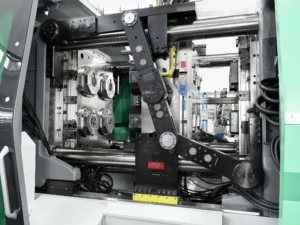
When the part is removed and cooled, the film or label has become part of the product. No post-mold decorating or labeling is needed.
Applications
In-mold technology is used in a wide variety of markets:
- Food & Beverage
- Personal Care
- Household
- Automotive
- Electronics
- Medical
- Appliance
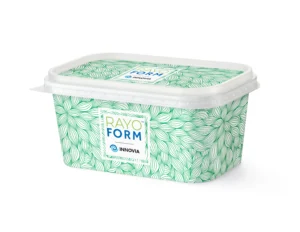
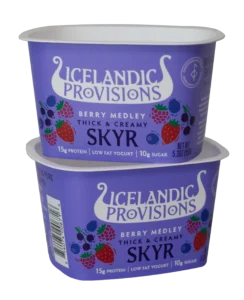
Common applications include food and beverage, such as butter tubs and ice cream containers; personal care products, such as shampoo and soap; and household supplies, such as laundry detergent and floor cleaners.
In-mold-labeled items resist scratching, scuffing and humidity and handle big temperature changes without concern that the label will peel, providing brand security and a high-end brand identity.
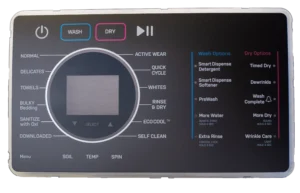
Common applications include automotive (door trim, console, dash), appliance (washer/dryer control panels), electronics (cell phones), commercial applications and consumer goods.
In-mold electronics are a growing application area, where electronic components are molded into the product rather than applied later in a secondary operation.
Recyclable and Recommended
In-mold-labeled products have a number of recyclability advantages:
Manufacturing Sustainability
ready to learn more?
Just getting started with in-mold labeling, decorating or electronics? This is the place to begin.